



His wife died at the time of their son’s birth. From that day on, a thought took root in his mind-that it was the son who had taken away his wife. Because of this, he was never able to love his son wholeheartedly. Instead, he subjected the boy to harsh punishments. Even in front of classmates and teachers, he did not hesitate to humiliate or mistreat him. Being a police officer, he treated his son much like he would treat an accused person.
As time passed, the two stopped speaking to each other altogether-living in the same house like strangers. Meanwhile, the son got entangled in several bad influences. The father tried to win him back, but failed. In all those years, the son had not even once addressed him as “father.” Eventually, both of them meet an inevitable tragedy. This is the storyline of a recent Malayalam film.
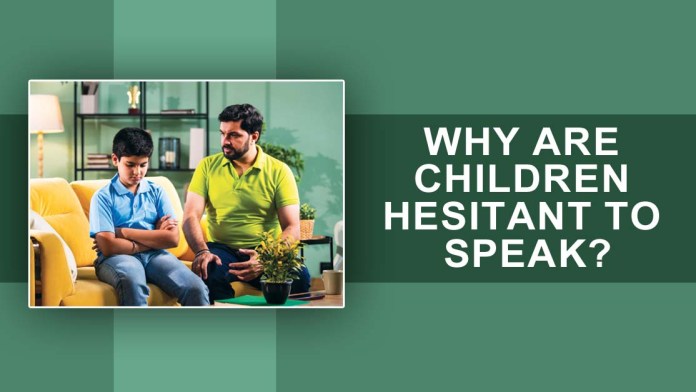
Though not always this extreme, similar situations-with varying intensity-can be seen in many of our families or in those around us: a growing distance between parents and children, marked by silence and a breakdown in communication.
In how many homes do children not speak to their fathers! There are fathers who lament that all they remember is their child calling them “appa” in early childhood-nothing more. Some children withdraw to their rooms when the father comes home, or even leave the house. Many speak to their fathers only when they need something. Such strained father-child relationships are not uncommon. When we ask what lies at the root of this, we realize that this distance does not arise overnight. It is the result of accumulated experiences, after which children gradually stop speaking to their parents.
Psychology points out that, often unintentionally, parents themselves are responsible for this silence. It is considered a major flaw in parenting. A key factor is the tendency of parents to judge without listening. When children come forward to share something, many parents believe that immediately advising, criticizing, or comparing them is the right approach.
But when this becomes a pattern, children begin to lose their sense of emotional safety-something parents often fail to recognize. Similarly, when parents dismiss their children’s feelings-responding with phrases like “this is nothing” or “you don’t need to make such a big deal-children begin to feel that their emotions are not valued.
Gradually, they become reluctant to speak openly with their parents. Excessive control and fear-based upbringing also distance children from them. Attempts to extract the truth through threats produce the same effect. In such situations, children slowly retreat into silence, discovering that not speaking is the easiest way to avoid problems. Over time, communication ceases altogether.
What, then, is the solution? Give children your full attention when they speak. Acknowledge their feelings. Avoid immediate judgment. Build their confidence. When parents begin to communicate, “I am ready to listen to you and accept you,” children’s silence will gradually turn into conversation.
Understand this clearly: when children fall silent, it is not merely a problem-it is a sign.
