

Recognizing Panic Disorder

Published on

Studies indicate that about 1.5% to 3.5% of the population may experience problems caused by panic disorder at some point in their lives. Women are twice as likely to develop it compared to men. Symptoms typically begin around the age of 25.

Stressful life events-such as job loss, divorce, or the death of loved ones-often trigger the onset of symptoms. Scientific evidence also suggests that individuals who experienced mental conflicts during childhood have a higher likelihood of developing panic disorder. Those with panic disorder are also more susceptible to other mental illnesses.

Symptoms

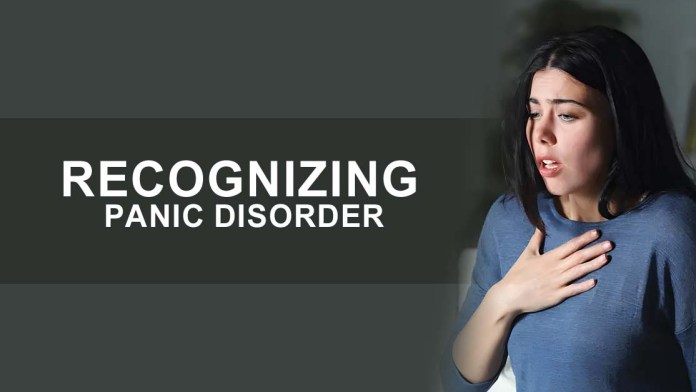
Symptoms include sudden, intense heart palpitations, sweating, trembling, shortness of breath, chest pain or discomfort, stomach unease, feelings of dread, dizziness, disorientation, fear of imminent death, and numbness in the limbs or other body parts. The presence of at least four of these symptoms may indicate panic disorder. If four or more symptoms appear suddenly and simultaneously, the episode is called a panic attack, typically lasting between five to ten minutes.

Causes

Researchers suggest that panic disorder may result from chemical imbalances in the brain, particularly in the limbic system, which regulates emotions. This imbalance can cause excessive adrenaline levels in the blood and brain. Panic disorder may have a hereditary component, with a 4%–8% chance of passing in families.

Treatment Approaches

After relevant medical evaluations confirm no underlying physical causes, it is important to explain to the patient that the condition is not a heart-related disease. Family members should also understand that the patient is genuinely experiencing these difficulties.

Cognitive Behavioral Therapy (CBT) is effective, involving consistent behavioral training to help patients cope with triggers and learn how to manage them. Medication may also complement CBT for better outcomes.

Rev. Dr. Sijon Kuzhikattumyalil

Latest Updates

POPULAR Views

FEATUERD Views

Panic Attacks: A Cause for Concern

Studies indicate that between 1.5 and 3.5 percent of people in our society may experience problems related to panic disorder at least once during their lifetime. The condition is...

Alcohol Dependence: Symptoms and Clinical Perspectives

When can a person be considered alcohol dependent? A diagnosis of alcohol dependence can confidently be made when an individual exhibits at least three of the following symptoms: an...

Histrionic Personality Disorder

Individuals with Histrionic Personality Disorder have a strong and constant need to gain the attention and approval of others. They often behave in a dramatic manner and express emotions...

Anti-Social Personality Disorder

Anti-Social Personality Disorder is observed more commonly in men. When antisocial behavioral tendencies in children, often manifested as Conduct Disorder, are not corrected at an early stage, they frequently...

Psychological Treatment Approaches to Overcome Alcohol Dependence

Alcohol dependence (Alcoholism) refers to a condition in which drinking goes beyond a person’s control. The primary feature of addiction is loss of control-drinking excessively and compulsively.

Narcissistic Personality Disorder

An excessive sense of “I” or self-centeredness is the core feature of the personality disorder known as Narcissistic Personality Disorder (NPD). People with this condition tend to think that...

Borderline Personality Disorder

Borderline personality, or unstable personality, is seen more frequently among women between the ages of eighteen and thirty-five. Those with this disorder are often in a state of constant...

Paranoid Personality Disorder – Facts

The term paranoid refers to individuals who are excessively suspicious by nature. They harbour doubt toward everything and everyone. Even when someone says or does something good, they tend...

Post-Traumatic Stress Disorder (PTSD)

When a person experiences an extremely intense stress situation, psychological problems may arise in two ways. In some cases, it is caused by a single, sudden, unusual event of...

Obsessive-Compulsive Disorder: Facts

Obsessive-Compulsive Disorder (OCD) begins with the presence of repeated, intrusive, and unwanted thoughts that dominate a person’s mind in a way that they are unable to control, despite trying...

Excessive Anxiety and Treatment

Generalized Anxiety Disorder (GAD) is a condition that more than three percent of people in society are likely to experience at least once in their lifetime. Typically beginning around...

Schizophrenia: The Realities

Among mental illnesses, psychotic disorders (psychosis) are a category of serious conditions. These are illnesses where the patient does not have the insight to recognize that they are unwell....