



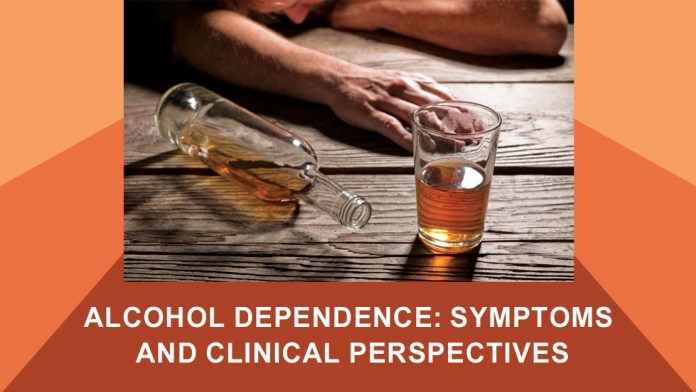
When can a person be considered alcohol dependent? A diagnosis of alcohol dependence can confidently be made when an individual exhibits at least three of the following symptoms: an intense craving or compulsion to consume alcohol; an inability to stop drinking or reduce alcohol intake despite personal efforts; the development of physical and psychological withdrawal symptoms when alcohol is unavailable; the need to consume progressively larger quantities of alcohol to achieve the same intoxicating effect (tolerance); finding pleasure exclusively in drinking while losing interest in other activities that once brought happiness; and the inability to stop drinking even after experiencing the harmful consequences of alcohol consumption.
Withdrawal Symptoms Following Alcohol Cessation
The nature and severity of withdrawal symptoms vary according to the duration of alcohol use, the quantity consumed, and the individual’s physical and psychological condition. In those who consume large amounts of alcohol regularly, even a sudden reduction in alcohol intake may precipitate withdrawal symptoms.
The earliest manifestations generally include tremors, nausea, vomiting, fatigue, headache, irritability, and insomnia. In some individuals, sleep disturbances may persist for several months after alcohol cessation.
Alcohol Withdrawal Hallucinations
Approximately 25% of individuals undergoing alcohol withdrawal experience hallucinations. These symptoms typically develop within 48 hours of discontinuing alcohol consumption. Patients most commonly hear voices that have no external source. These auditory hallucinations are often threatening, accusatory, or frightening in nature.
Withdrawal-related seizures may also occur, usually between 6 and 48 hours after the last alcoholic drink. Such seizures may recur repeatedly if appropriate medical treatment is not provided.
Delirium Tremens
Delirium tremens (DT) is one of the most serious and potentially life-threatening complications of alcohol withdrawal. Patients may experience disorientation with respect to time and place, severe tremors, excessive sweating, nausea, vomiting, vivid visual hallucinations, frightening auditory hallucinations, and marked confusion. Incoherent speech and severe agitation are also common clinical features.
Among individuals who abruptly discontinue heavy alcohol consumption without medical supervision, approximately 10% develop delirium tremens. The most severe symptoms generally appear within the first three days of withdrawal and usually begin to subside within a week. Nevertheless, the condition carries a mortality rate of approximately 5% if left untreated. Consequently, delirium tremens constitutes a medical emergency requiring immediate professional intervention.
Several psychiatric disorders are significantly more prevalent among individuals with alcohol dependence than in the general population. Depressive disorders are particularly common. Temporary depressive symptoms may also emerge during the withdrawal phase. It is estimated that the lifetime risk of suicide among individuals with alcohol dependence is approximately 15%, a figure substantially higher than that observed among non-drinkers.
Similarly, anxiety disorders affect nearly 30% of individuals with alcohol dependence. Heavy alcohol consumption is also frequently associated with increased tobacco use and a greater likelihood of abusing other psychoactive substances.
Rev. Dr. Sijo Kuzhikkattumyalil
