



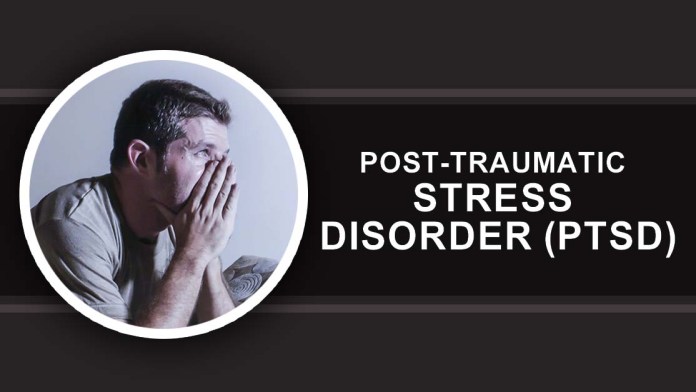
When a person experiences an extremely intense stress situation, psychological problems may arise in two ways. In some cases, it is caused by a single, sudden, unusual event of short duration. In others, it develops through repeated, long-term traumatic experiences. The immediate psychological reactions that appear within a short time after a stress event are known as Acute Stress Reaction. This condition is often seen in individuals who have gone through vehicle accidents, abuse, or physical assault. It results from an unusually severe psychological stress and can last from two days up to four weeks.
When symptoms occur within six months after a traumatic experience, it is termed Post-Traumatic Stress Disorder (PTSD). Research shows that around 13% of men and 30% of women who have faced trauma may develop this condition. The symptoms include recurring unpleasant memories of the stressful situation, repeated flashbacks that push the mind into the same emotional state as before, frightening nightmares connected with the trauma, and reliving the past traumatic experiences. People with PTSD often feel severe stress when they encounter news, images, or reminders of their past trauma, leading them to consciously avoid such triggers. They may also struggle to recall details of the traumatic event and may prefer to withdraw and distance themselves from others.
The root causes of PTSD are related to brain functioning. The amygdala, which identifies emotionally significant memories, becomes overactive, while the medial prefrontal cortex, which should regulate it, functions inadequately. In addition, dysfunction of the hippocampus, the part of the brain responsible for processing memories, also plays a role.
There are several treatment approaches. Cognitive Behavioral Therapy (CBT) helps the patient by providing awareness about the illness, training to reduce anxiety, managing anger, and correcting faulty thought patterns. Psychodynamic Therapy focuses on understanding the meanings that the patient has attached to inner conflicts and resolving unconscious struggles. In cases where PTSD is accompanied by depression or severe anxiety (comorbidity), psychiatric treatment and appropriate medication under the supervision of a mental health professional may also be necessary.
Rev. Dr. Sijon Kuzhikattumyalil
