



A particular incident from my pastoral ministry still remains vivid in my memory. During my tenure as a parish priest, I once visited a home in the evening as part of my pastoral visit to homes. At the entrance of the house, an eight-year-old boy stood as if waiting to welcome me. However, to my astonishment, he had a bidi (a type of local cigarette) in his mouth. Though it was unlit, he was pretending to smoke by exhaling imaginary puffs, mimicking an adult smoker.
Observing this, the boy’s grandmother scolded him and turned to me with an apologetic expression, saying, “Father, please forgive him. He is imitating his grandfather. He believes smoking is a significant act of adulthood.”
The lifestyle of parents, whether good or bad, profoundly influences their children. Alcohol consumption, smoking, and addiction often find their way into children’s lives as a result of negative role models set by adults. Children have a natural tendency to perceive the actions of elders as acceptable and often develop an inclination to imitate them.
Even during sacred ceremonies such as baptism and the solemn first Holy Communion, serving alcohol at homes and banquet halls is a regrettable practice. Many families have habitual drinkers among them. It is now a common sight, both in cities and villages, to see individuals-who are responsible for sustaining their families-waiting impatiently in long queues outside liquor stores, even after a hard day’s work. These scenes are profoundly disheartening.
When parents neglect their responsibilities to educate their children and even fail to provide them with adequate food, all the while indulging in such reckless behaviors, they set a harmful precedent. This leads to a misguided youth culture. The increasing use of intoxicants among children and adolescents has reached alarming levels. Reports of violent tendencies among the youth, as evidenced by heinous crimes occurring in homes and schools, underscore this growing menace.
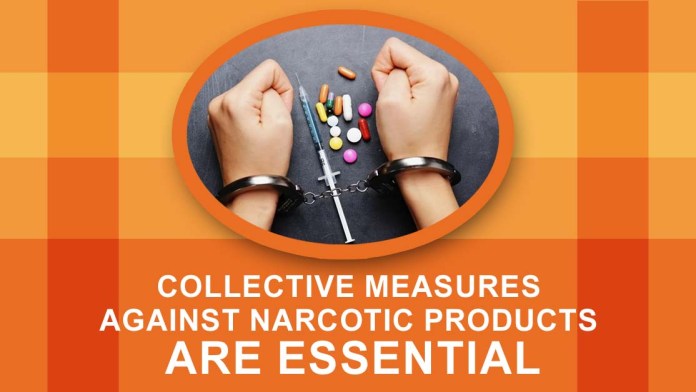
To safeguard children from these perils, parents, teachers, and social activists must unite in proactive intervention. Anti-addiction committees and voluntary organizations have long been urging successive governments to address this issue with greater urgency. If governments commit to resolute action, it is possible to identify the sources of this menace, penalize distributors, and implement stringent control measures effectively.
Singapore, a small nation, exemplifies this through its rigorous policies against narcotic products. The vigilance displayed by its authorities and the strict punitive measures they impose on offenders serve as a model for other countries. Singapore’s zero-tolerance approach to the distribution and use of narcotic substances illustrates that, with strong political will, governments can regulate the use and sale of intoxicants, thereby playing a crucial role in societal progress.
Moreover, responsible individuals within families and communities must abstain from addiction and set exemplary standards for the younger generation. By adopting a lifestyle that prioritizes the well-being of families and society, we can all contribute to a concerted effort aimed at collective upliftment. Let us actively participate in such endeavors for the greater good.
Bishop Sebastian Vaniyapurakal
