


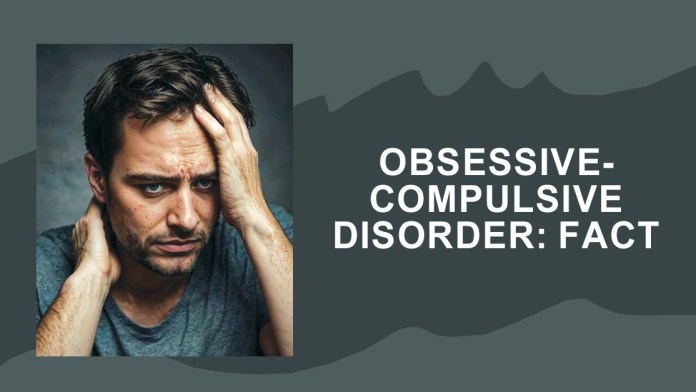
Obsessive-Compulsive Disorder (OCD) begins with the presence of repeated, intrusive, and unwanted thoughts that dominate a person’s mind in a way that they are unable to control, despite trying hard to do so. This state is known as OCD, or Obsessive-Compulsive Disorder. OCD is seen in about two percent of the population and occurs equally in both men and women. These repeated, uncontrollable, and distressing thoughts are called obsessions, and the repeated physical or mental actions performed by the individual in an attempt to reduce the anxiety caused by these obsessions are referred to as compulsions.
Symptoms
Some common obsessions include a persistent feeling that the body is dirty, doubts about whether an action has been done correctly, suspicion about the presence of germs in the body, excessive focus on cleanliness and order, repeated counting, recurring violent or sexual images in the mind, and repetitive religious or divine imagery. These are frequently observed forms of obsession.
Common compulsions include repeated washing of hands or body, excessive cleaning, checking repeatedly whether an action has been done properly, arranging objects in a particular order again and again, undergoing unnecessary medical tests due to fear of disease, constantly asking others about one’s actions or thoughts, and repeating certain words or phrases mentally to avoid bad consequences of their actions. These are all common compulsive behaviors.
Causes
OCD may be caused by genetic factors, reduced levels of serotonin and norepinephrine in the brain, functional abnormalities in the frontal lobe, traumatic experiences in childhood, or excessive punishment. Conditions such as depression, anxiety disorders, and ADHD are also sometimes found in association with this disorder.
Treatment Methods
In treatment, the role of the family and support from loved ones is just as important as the involvement of the individual affected. Such individuals should undergo a proper diagnosis by a mental health professional and, if necessary, receive medical treatment under the supervision of an authorized doctor. Psychological therapy is also very important. In behavioral therapy, methods such as Exposure with Response Prevention and Systematic Desensitization are highly effective. Cognitive Behavioral Therapy (CBT) is also helpful. Brain Lock Therapy, which integrates biological, psychological, and cognitive levels, is found to be very effective. Likewise, Acceptance and Commitment Therapy (ACT) also offers benefits. Relaxation techniques and suggestions that build willpower (Positive Psychotherapy) can also be used here. It is crucial to avoid actions such as discontinuing treatment halfway or failing to make a proper diagnosis in the management of OCD.
Rev. Dr. Sijon Kuzhikattumyalil
