


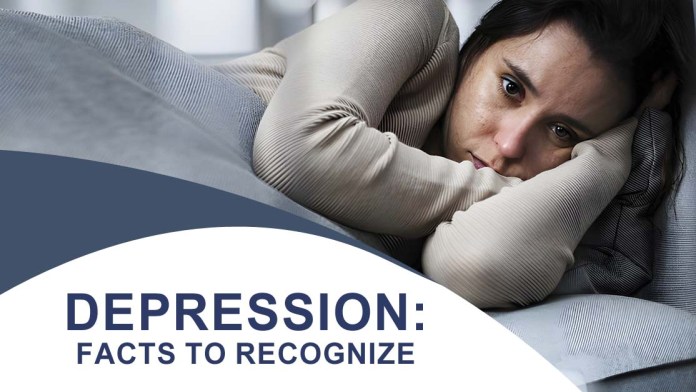
According to studies conducted by the World Health Organization, depression ranks as the fourth most disabling disease globally. Around 15% of individuals with depression die by suicide, while suicide attempts are significantly higher. Depression has evolved into a major health issue that no one who cares about the well-being of humanity can ignore. It can affect individuals of all ages, and recent studies indicate a rising prevalence among those under 20 years old. Women are three times more likely to develop depression than men.
Causes
Depression is a medical condition, not just an emotion. It has a strong and nearly identifiable biological basis. The brain’s limbic system, which regulates emotions and behaviors, the hypothalamus, and neural structures in the frontal lobe are all affected by depression. Disruptions in neurotransmitters such as serotonin, nor epinephrine, and dopamine contribute to the development of the condition. Additionally, genetic factors, increasing emotional and social stress, certain physical illnesses, and substance abuse heighten the risk of depression. Some physical conditions such as thyroid disorders, Parkinson’s disease, stroke, lifestyle diseases, and medication side effects can also trigger depression.
Symptoms
Depression is diagnosed through clinical interviews, mental status examinations, and psychological tests that identify specific symptoms. If an individual experiences persistent severe sadness for over two weeks, along with at least four of the following eight symptoms, it is classified as depression:
1. Loss of interest in almost all previously enjoyable activities.
2. Inability to respond emotionally at the right time or in the right way, suicidal thoughts, or unexplained crying.
3. Waking up two or more hours earlier than usual.
4. Experiencing the most intense sadness, distress, and discomfort in the morning, which slightly improves by evening.
5. Noticeable slowing down in both physical and mental activities.
6. Complete loss of appetite.
7. Significant weight loss.
8. Loss or complete lack of sexual interest.
When Depression Wears a Mask
Some forms of depression present with masked symptoms (Masked Depression), appearing as physical illnesses. These individuals frequently visit hospitals for vague physical symptoms such as pain, numbness, chest discomfort, or headaches, undergoing tests, consulting specialists, and taking medications—but their relief remains temporary. Studies indicate that a significant percentage of these individuals actually suffer from underlying depression. Furthermore, individuals struggling with alcohol or drug addiction often have severe depression. Workplace behaviors such as frequent absences, lack of concentration, memory issues, and disinterest in tasks can also indicate depression.
Treatment Approaches
It is crucial to diagnose and treat depression early, as it can lead to severe crises. Highly effective antidepressant medications with minimal side effects are available today. For individuals with severe depression, high suicidal tendencies, or resistance to other treatments, Electroconvulsive Therapy (ECT) provides rapid improvement. The best approach combines medication with psychological therapy. Cognitive Behavioral Therapy (CBT) is highly effective in helping individuals regain mental well-being. Additionally, Mindfulness-Based Cognitive Therapy (MBCT) and Acceptance and Commitment Therapy (ACT) are beneficial for many patients.
Depression not only affects an individual’s quality of life but also creates social, economic, and physical dependency. In the digital era, recognizing depression as a public health concern and implementing preventive measures and treatment strategies is long overdue.
Rev. Dr. Sijon Kuzhikkattumyali
