



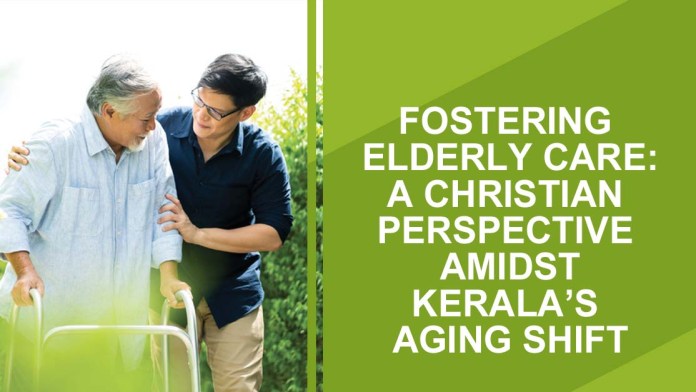
Kerala is transitioning into an increasingly geriatric society. Enhanced longevity, declining birth rates, and the exodus of the younger generation seeking opportunities abroad are the primary catalysts behind this shift. According to the 2011 census, 12.6% of Kerala’s population belongs to the elderly demographic, and this percentage continues to rise.
Improvements in healthcare services and living standards have increased life expectancy among Malayalis. Simultaneously, widespread adoption of family planning measures and the socio-economic advancement of women have contributed to lower birth rates. Additionally, mass migration for employment has fragmented family structures, creating a significant void in elderly care.
The Ripple Effects of Aging
The aging population profoundly impacts both health and interpersonal connections. The growing number of seniors puts financial strains on families and government systems due to rising pension and healthcare expenditures. Many elderly individuals face social alienation, particularly those whose families reside overseas. The lack of companionship and consistent care exacerbates their challenges. Moreover, age-related health issues can lead to exorbitant medical expenses, often outpacing the support provided by existing social welfare systems.
The Imperative of Christian Ethos
Biblical teachings stress the importance of honoring and caring for the elderly, highlighting the necessity of family solidarity and the wisdom that comes from our elders. As stated in Ephesians 6:1-3, “Children, obey your parents in the Lord, for this is right. ‘Honor your father and mother.'” Similarly, Matthew 19:19 advises, “Honor your father and mother, and love your neighbor as yourself.” These scriptural mandates reaffirm our moral obligation to uphold the dignity and well-being of our aging parents.
Moral Stewardship
The duty to care for aging parents extends beyond personal responsibility; it encompasses a broader societal ethic. As parents experience physical and cognitive decline, ensuring their peace and contentment becomes paramount. With advancing age, individuals naturally become more dependent on community support. Neglecting the elderly contradicts the essence of Christian teachings, which advocate for their welfare as a familial and societal responsibility.
The Church’s Integral Role
The Christian Church plays a crucial role in addressing the needs of elderly care through initiatives such as residential shelters, free medical services, and volunteer outreach programs. By promoting these efforts, the Church exemplifies the community’s alignment with Christian principles. Beyond material assistance, the Church also extends spiritual support through prayers and pastoral visits, reinforcing its holistic commitment to the welfare of the elderly.
The traditional Christian joint family system represents an exemplary model for elder care. In Christian theology, aging is viewed as a sign of divine favor, and caring for the elderly is seen as a means to connect generational wisdom with younger generations.
A Lesson from Christ’s Compassion
Even during His journey toward crucifixion at Golgotha, Jesus ensured His mother’s well-being by entrusting her to John (John 19:26-27). This profound act highlights the personal responsibility we each have toward those who nurtured us. Therefore, safeguarding the elderly is not merely an ethical and social duty for Christians; it is a sacred and time-honored tradition. Only through this steadfast commitment can families and communities attain spiritual and moral elevation.
Rev. Fr. Joy Kuthoor
